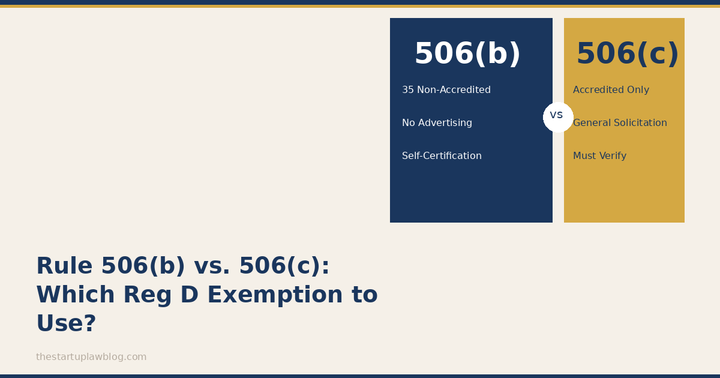
506(c) vs. 506(b): Which Reg D Exemption Should Your Startup Use?
A practical comparison of the two most important Reg D exemptions — Rule 506(b) and 506(c). When to use each, how investor verification works, and how to avoid costly mistakes.


Page 9
A practical comparison of the two most important Reg D exemptions — Rule 506(b) and 506(c). When to use each, how investor verification works, and how to avoid costly mistakes.
Compare Rules 504, 506(b) and 506(c): who can invest, when you can advertise, Form D and state notices, Rule 152 integration, and accredited-investor verification.
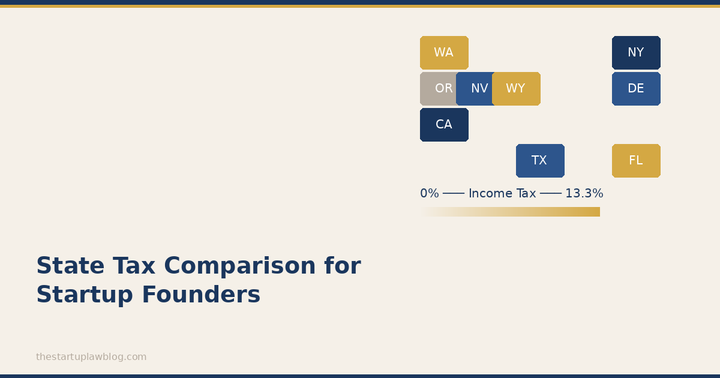
A comprehensive guide comparing income tax, capital gains, QSBS conformity, and estate tax across 11 states — plus scenario analysis and planning strategies for startup founders approaching an exit.
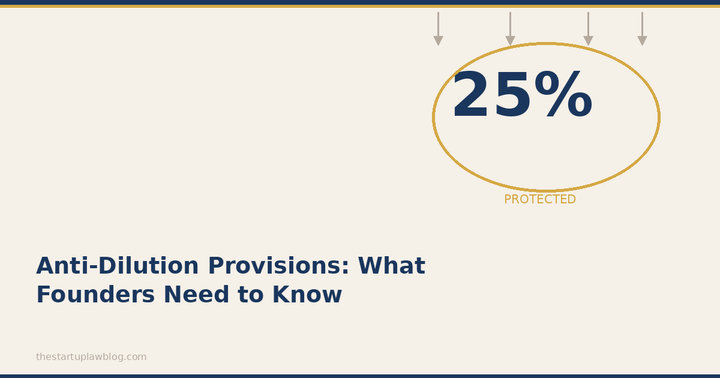
Anti-dilution provisions: full ratchet vs. weighted average, the broad-based weighted-average (BBWA) formula, and founder consequences in a down round.
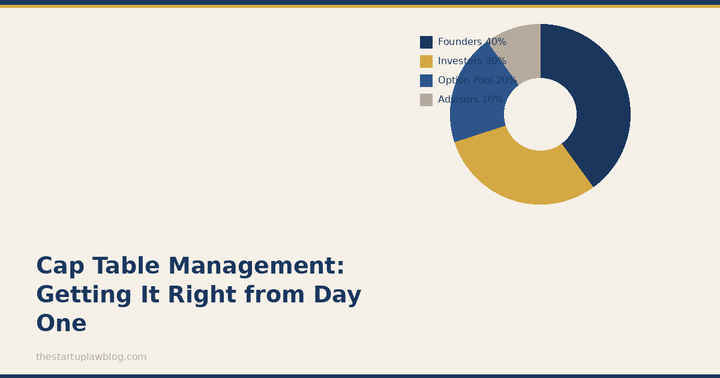
Keep your cap table aligned with legal equity records: approvals, documents, stock ledger, SAFEs/options/notes, and financing readiness — not software shopping.
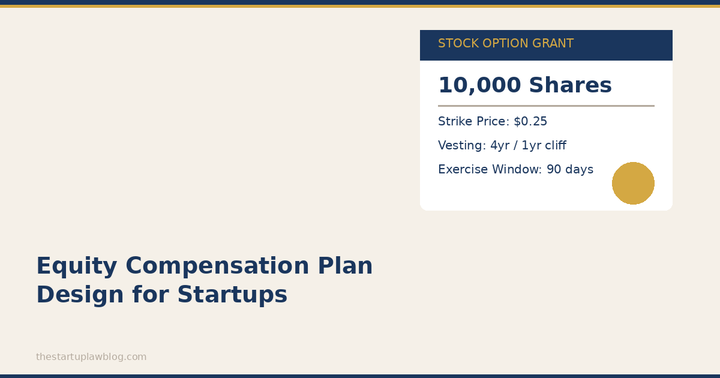
Your equity compensation plan is one of the most important documents your startup will create. Here's how to structure it correctly — from pool sizing to vesting schedules to change of control provisions.
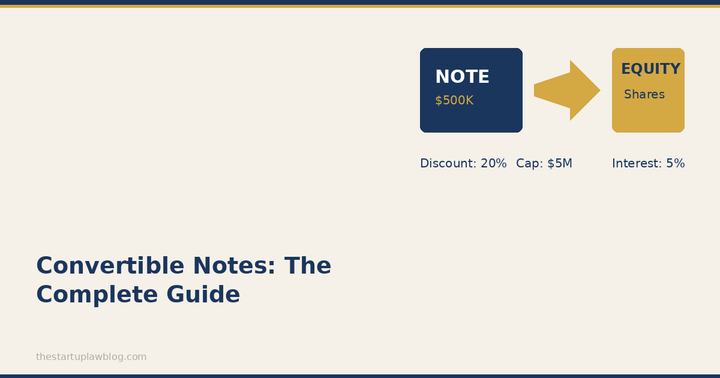
What a convertible note is for startups: debt now that converts to equity later—principal, interest, maturity, valuation cap, discount, conversion math, securities-law basics, and tax/QSBS timing.
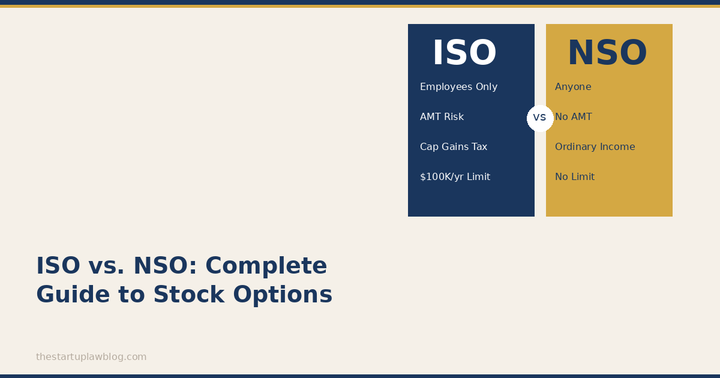
ISOs and NSOs have fundamentally different tax treatment. Understanding those differences — including the AMT trap, the $100K limit, and post-termination rules — is essential for founders and employees.
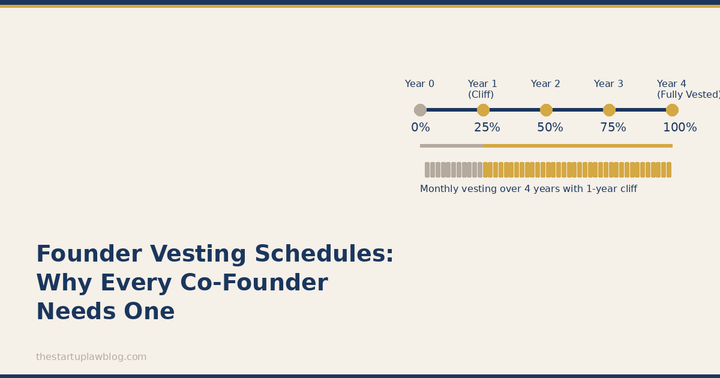
Founder vesting explained: four years with a one-year cliff, ownership versus vesting, repurchase terms, 83(b) elections, and what happens at departure or acquisition.
Understand common-stock valuation, the three 409A safe harbors, when to update, and why an independent appraisal does not guarantee every option is exempt.