Priced Equity Rounds: A Founder's Complete Guide to Series Seed, Series A, and Beyond
Complete guide to priced equity rounds for founders: Series Seed through Series A, key terms, valuation mechanics, and what to expect from institutional investors.
Page 6
Complete guide to priced equity rounds for founders: Series Seed through Series A, key terms, valuation mechanics, and what to expect from institutional investors.

A living reference of 75+ startup law terms every founder should know — from 83(b) elections to QSBS, Reg D to vesting schedules, explained in plain English.
Accredited investor requirements for startups: income test $200k/$300k, net worth $1M (excluding your home), and SEC-approved credentials. Includes verification steps under Reg D (506(b)/(c)).
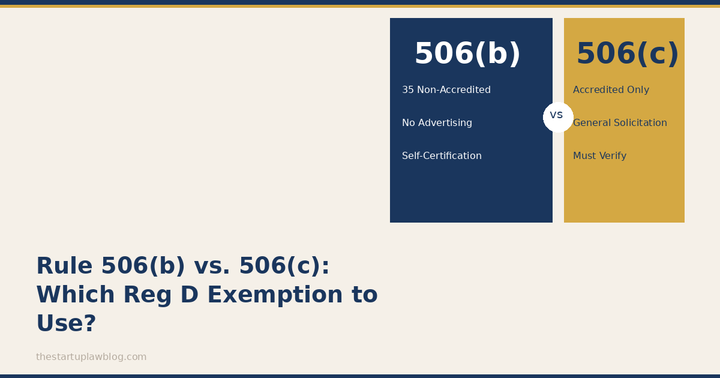
A practical comparison of the two most important Reg D exemptions — Rule 506(b) and 506(c). When to use each, how investor verification works, and how to avoid costly mistakes.
A comprehensive guide to Regulation D — the securities law framework that makes startup fundraising possible. Covers Rules 504, 506(b), and 506(c), accredited investor requirements, Form D, and common pitfalls.
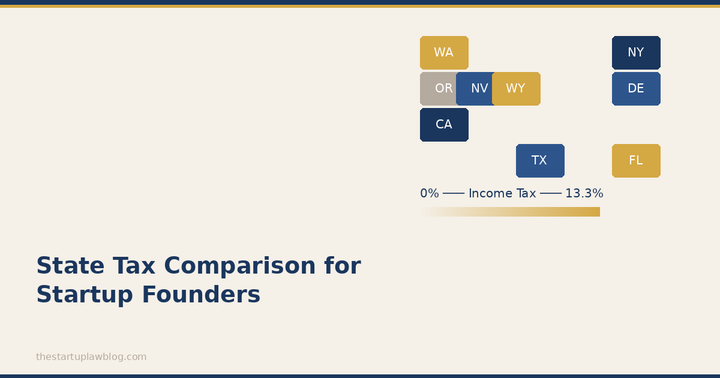
A comprehensive guide comparing income tax, capital gains, QSBS conformity, and estate tax across 11 states — plus scenario analysis and planning strategies for startup founders approaching an exit.
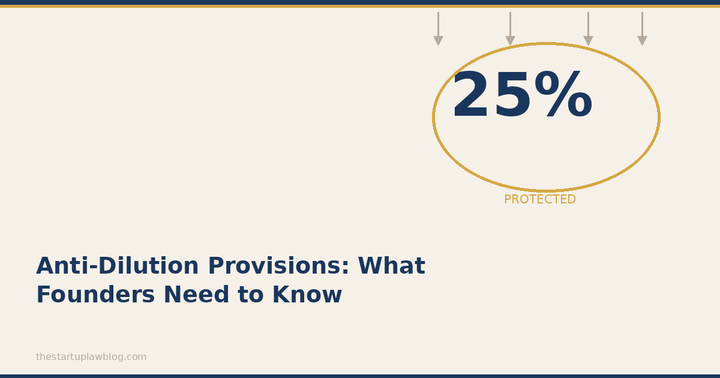
Anti-dilution provisions are among the most consequential — and least understood — terms in venture financing. Here's how they work, what they mean for your cap table, and what to negotiate.
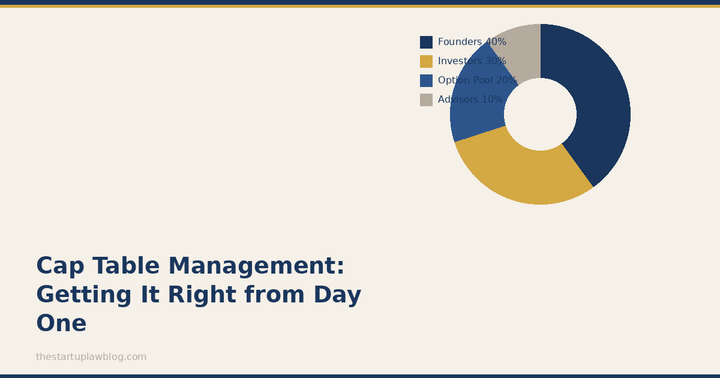
Your cap table is the single source of truth for who owns what in your company. Here's how to build it right, model dilution scenarios, and avoid the mistakes that create chaos at your Series A.
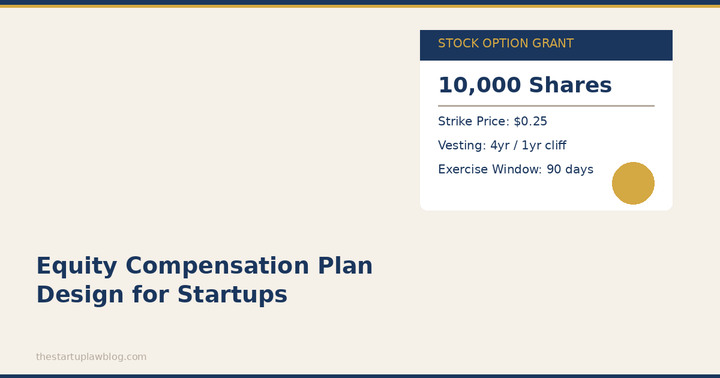
Your equity compensation plan is one of the most important documents your startup will create. Here's how to structure it correctly — from pool sizing to vesting schedules to change of control provisions.
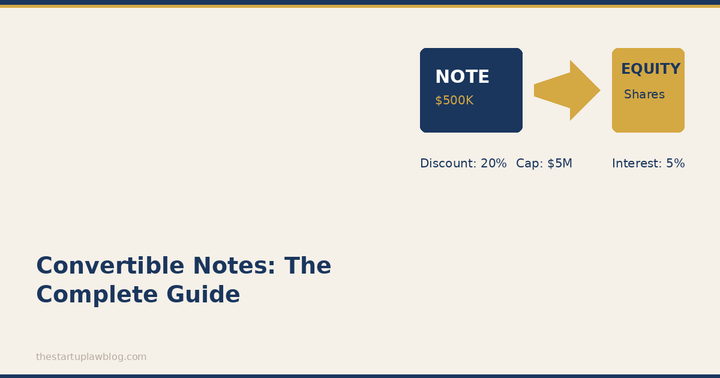
Convertible notes are debt instruments that convert to equity at your next priced round. Here's everything founders need to know about terms, mechanics, tax implications, and common mistakes.