
Convertible Note vs. SAFE: What They Are and Which to Use
Convertible notes vs. SAFEs: how each works, key differences in terms and mechanics, and which instrument makes more sense for your early-stage startup funding.
Complete guide to priced equity rounds for founders: Series Seed through Series A, key terms, valuation mechanics, and what to expect from institutional investors.
Accredited investor requirements for startups: income test $200k/$300k, net worth $1M (excluding your home), and SEC-approved credentials. Includes verification steps under Reg D (506(b)/(c)).
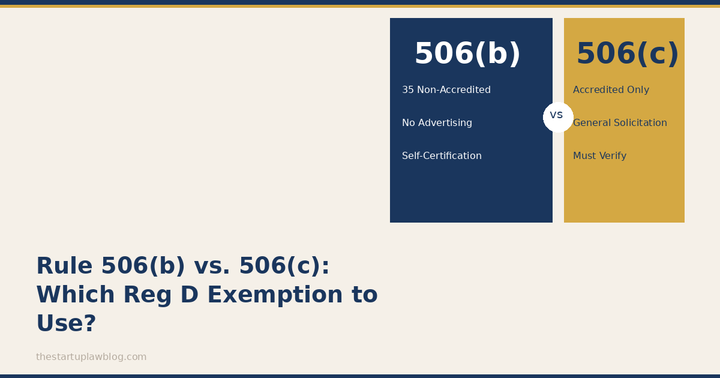
A practical comparison of the two most important Reg D exemptions — Rule 506(b) and 506(c). When to use each, how investor verification works, and how to avoid costly mistakes.
A comprehensive guide to Regulation D — the securities law framework that makes startup fundraising possible. Covers Rules 504, 506(b), and 506(c), accredited investor requirements, Form D, and common pitfalls.
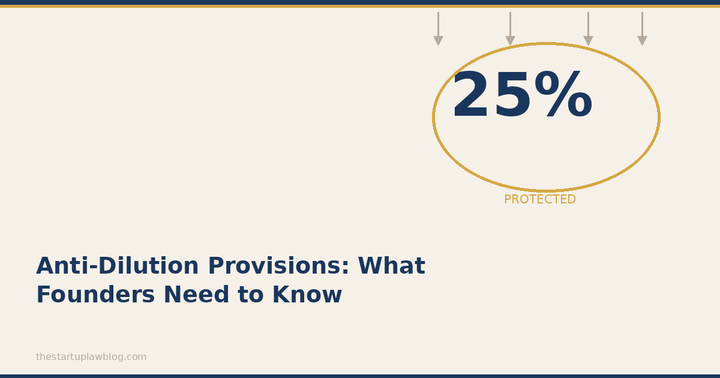
Anti-dilution provisions are among the most consequential — and least understood — terms in venture financing. Here's how they work, what they mean for your cap table, and what to negotiate.
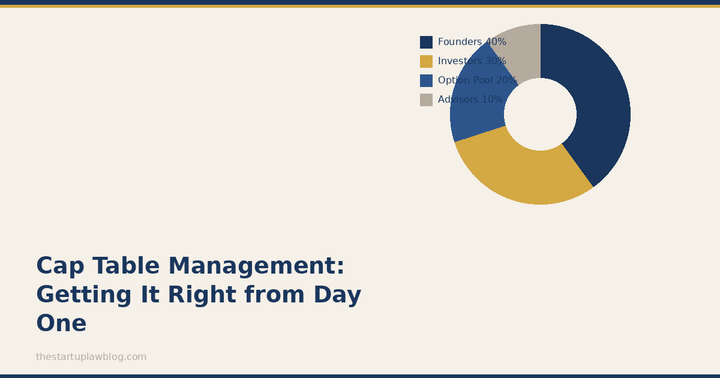
Your cap table is the single source of truth for who owns what in your company. Here's how to build it right, model dilution scenarios, and avoid the mistakes that create chaos at your Series A.
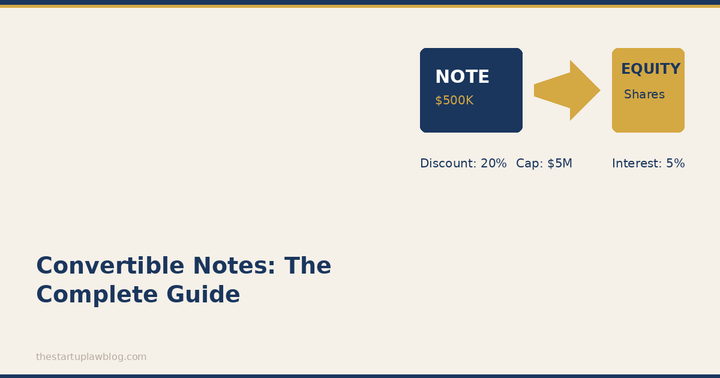
Convertible notes are debt instruments that convert to equity at your next priced round. Here's everything founders need to know about terms, mechanics, tax implications, and common mistakes.
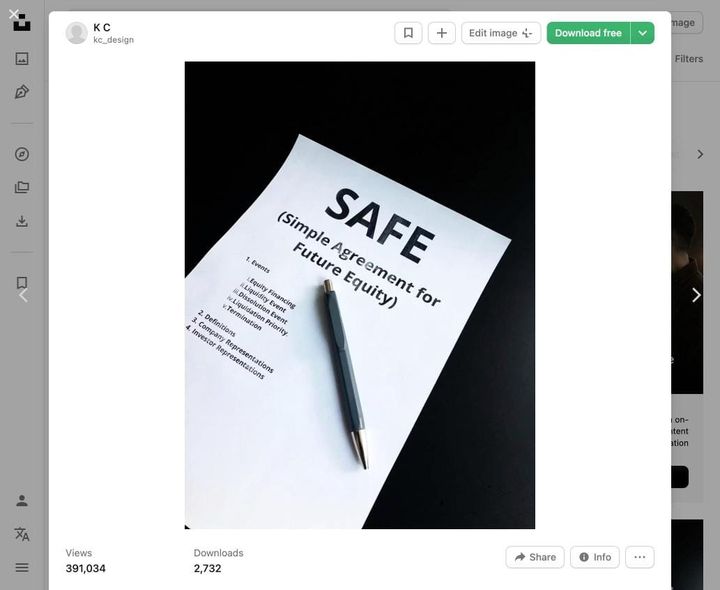
SAFEs are the dominant instrument in pre-seed and seed financing, but "simple" doesn't mean uncomplicated. Learn how SAFEs actually work, what can go wrong, and what you need to know before you sign one.
First, let’s get the terminology of term sheets out of the way.