ING Trusts and Washington’s Income-Tax Addback
How Washington’s ING trust addback works, what it means for existing trusts, and why completed gifts, CRTs and GRATs require separate analysis.



Page 4
How Washington’s ING trust addback works, what it means for existing trusts, and why completed gifts, CRTs and GRATs require separate analysis.
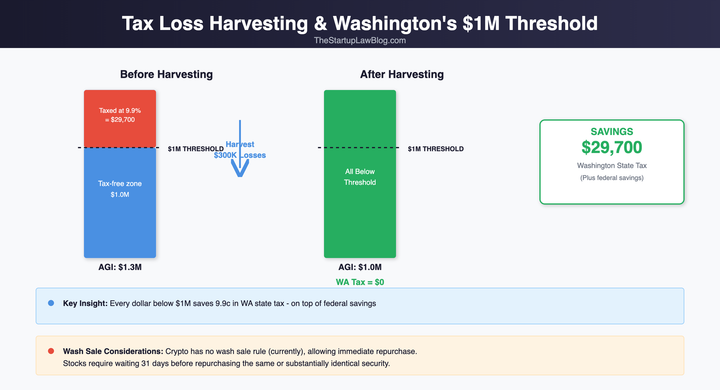
Washington's new 9.9% income tax has a hard threshold at $1 million AGI. Tax loss harvesting can help you stay below it — here's how to use realized losses strategically before and after 2028.
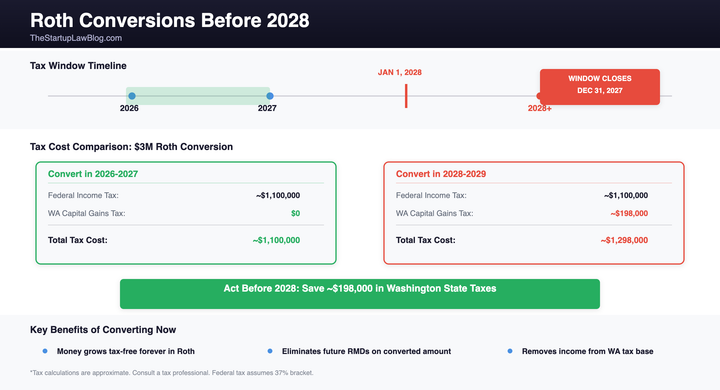
Roth conversions do not end in 2028. Washington’s tax depends on the taxable conversion plus other income, available deductions, and the timing of each year’s income.
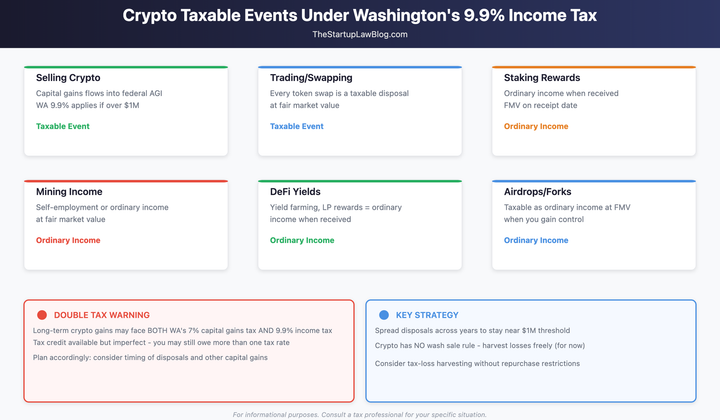
Washington's new 9.9% income tax reaches crypto gains, DeFi income, staking rewards, and NFT sales. If you're a Washington resident with digital assets, here's what you need to know.
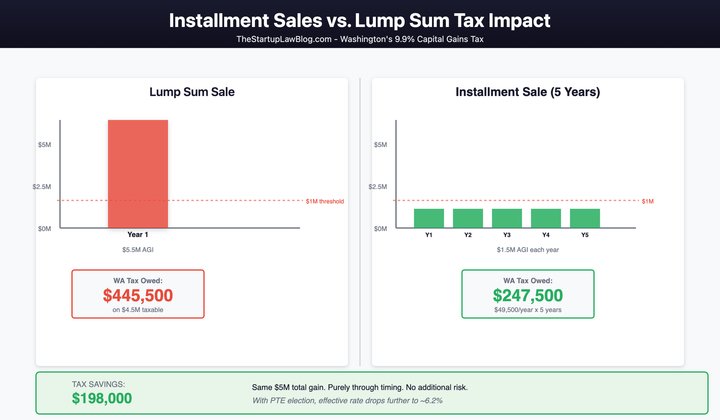
Installment sales can spread eligible gain, but Washington’s two tax bases, sale-date allocation, credits and financing risks determine the result.
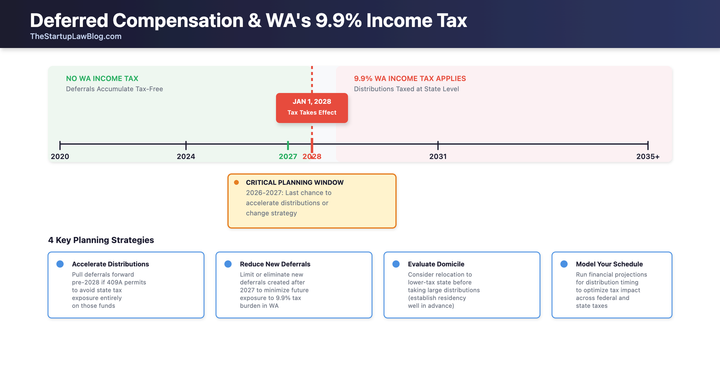
Compensation earned before 2028 under an NQDC plan can enter Washington's 9.9% income-tax calculation when included federally in 2028 or later — subject to residency, sourcing, §409A payment rules, and 4 U.S.C. §114.
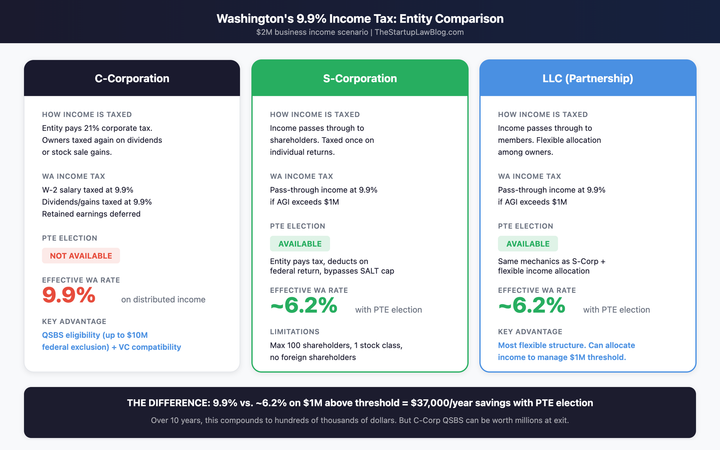
Washington’s new income tax adds another consideration when choosing a business structure. Compare the combined federal and state taxes, how much profit you expect to distribute, and how you expect to sell the business before changing entities.
Washington could raise its income tax, but increases are not inevitable. Compare state histories, the deduction’s indexing rules and practical planning scenarios.
Compare Washington, Oregon, and Nevada taxes on founder income, QSBS gains, businesses, and estates, with defined examples and relocation rules.
How Washington’s income tax affects estate planning: evaluate gifts, GRATs, ILITs and Roth conversions, with timing and tax consequences specific to each strategy.