409A Valuation: The Complete Guide for Startup Founders (2026)
If you're issuing stock options, you need a 409A valuation. Here's what every startup founder needs to know about the process, the safe harbor rules, and the costly mistakes to avoid.
SAFEs are the dominant instrument in pre-seed and seed financing, but "simple" doesn't mean uncomplicated. Learn how SAFEs actually work, what can go wrong, and what you need to know before you sign one.
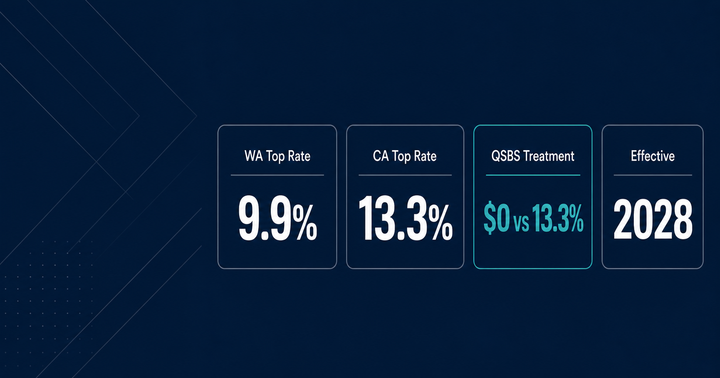
Washington's new 9.9% income tax takes effect January 1, 2028. For startup employees and founders with stock options, 2027 is the last full year to exercise without state income tax.
ESSB 6346 includes explicit anti-avoidance provisions that pull ING trust income back into the grantor's Washington taxable income. ING trusts are dead for Washington tax purposes — but other trust strategies may still work.
Washington's new 9.9% income tax has a hard threshold at $1 million AGI. Tax loss harvesting can help you stay below it — here's how to use realized losses strategically before and after 2028.
Washington residents with large traditional IRAs have a 21-month window to convert to Roth tax-free at the state level. Once the 9.9% income tax takes effect in 2028, that window closes.
Washington's new 9.9% income tax reaches crypto gains, DeFi income, staking rewards, and NFT sales. If you're a Washington resident with digital assets, here's what you need to know.
Selling a business or large asset in Washington? An installment sale can spread gain across multiple years and keep you below the $1 million income tax threshold. Here's how it works under ESSB 6346.
RSUs, stock options, and deferred comp plans all create income recognition events that could push you over Washington's $1 million threshold. Here's how the new 9.9% tax changes executive pay planning.
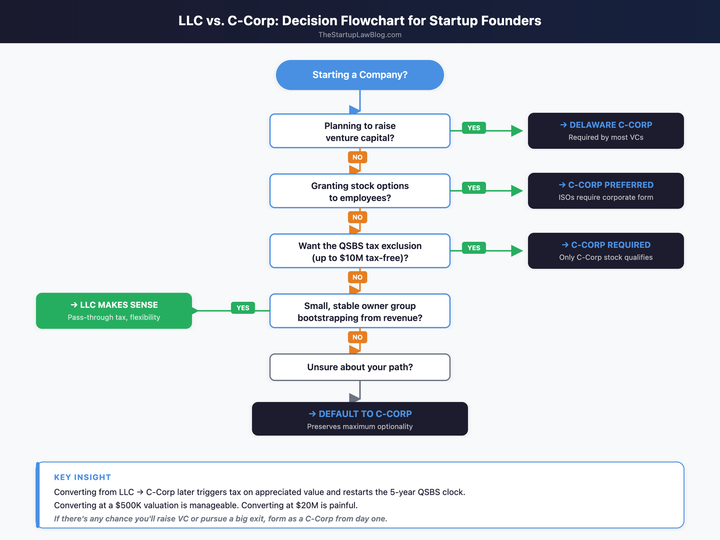
Washington's new 9.9% income tax fundamentally changes the entity choice calculus for founders. C corps, S corps, and LLCs are now taxed very differently — and the old default advice no longer holds.